In the early 1840s and in New Bedford, Massachusetts lives a man named Ishmael. He is walking outside and narrating to the viewer about his life.
Later, he is in a bar with a bunch of different men. They all sing various songs together.
But at some point, Ishmael ends up having to go on a whaling ship. Before that, though, he stays in an Inn with this Pacific islander named Queequeg. Despite their tense first meeting together, the 2 ended up becoming good friends.
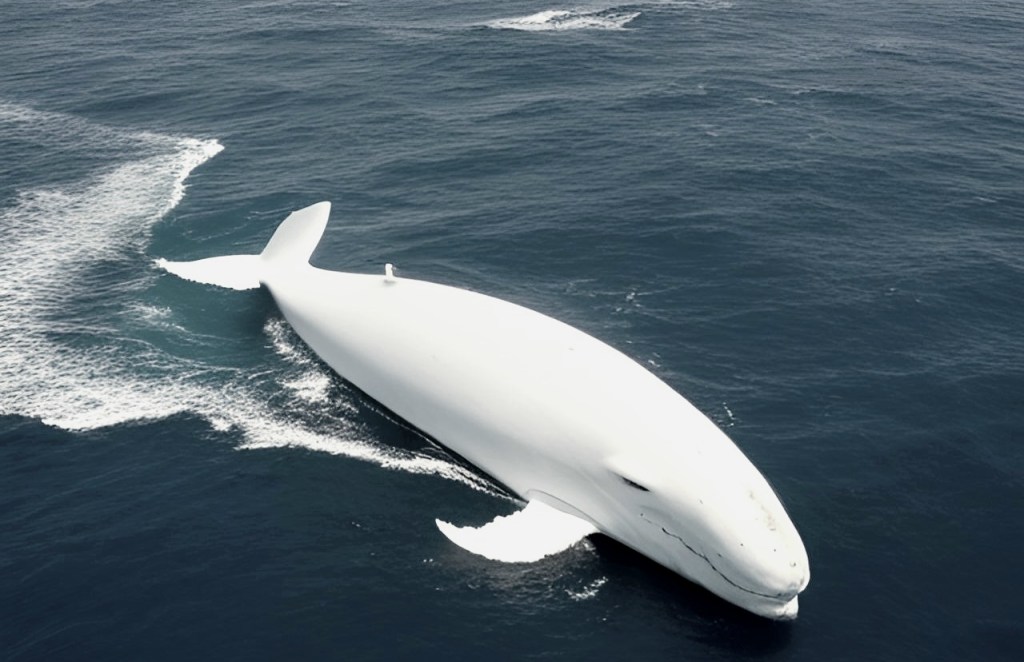
When the time comes to board the ship, Ishmael meets Captain Ahab. His goal is to hunt the great white whale Moby Dick, who he claims was responsible for an injury he had.
Once out at sea, one of the guys on the ship shouts the famous line, “There she blows!” Everyone tries to go after the whale as much as possible, even if it leads to dealing with lots of blood.
However, they are unsuccessful. Not only that, but the ship also begins to fall apart. Then everybody has to row on the ocean in small life boats until they are rescued by another ship.
Later, Queequeg knows that he is about to die. So, he asked the crew to prepare him a coffin.
When he is finally unresponsive, Ishmael gives him a hard time.
But then Moby Dick appears again. Yet no one can successfully catch him.
However, that doesn’t mean that they will give up. They all continue their mission to satisfy Ahab’s desire, even if it leads to crazy things along the way.
Will Ahab finally get revenge on the whale? Or will the whale defeat the men?
The first several minutes were quite promising for an adventurous story with lots of stakes and obstacles. Not only did the viewer get to learn a little bit about Ishmael, but also got to listen to some fun bar songs.
In addition, the story gave a big emphasis on life in the 1840s. It ranged from how the people dressed and lived (many men had beards and wore top hats and everyone went to church regularly) to how they treated animals – like Moby Dick.
Back then, empathy for animals was defined differently than today. What was normal back then would be horrifying and even illegal for today’s standards.
I don’t know why Moby Dick had hurt Ahab before. But it’s possible that Ahab was doing something to him that made him feel threatened – and therefore attacked him to defend himself.
If that’s the case, then it’s not that Moby Dick was being dangerous specifically to Ahab, because he hated him. He was just being a whale. And many wild animals attack people who get too close in order to defend themselves.
Maybe if the story were written and set today, the plot would be different. Perhaps, it would also emphasize on animal welfare and the importance of wildlife protection.
I’m not going to spoil the ending of this movie. But I will say that Ahab did not learn that he needs to leave wildlife alone. Nor did he learn that wild animals hurt people when they get too close because they feel threatened.
Then again, it is set in the 19th century. And this type of knowledge of understanding animal behavior was pretty much unknown to the general public or even zoology experts.
Regardless of the exciting first several minutes, this film was sadly hard to follow after that. In addition, tension levels were sometimes a little too low, many of the men looked pretty much indistinguishable, and the background settings looked practically the same.
I understand that the backgrounds looking alike throughout much of the film was important. And even though there were a few minor characters of color, inclusion and diversity in films we’re not a priority in the 1950s.
But if too many moments look similar, it is easy for the viewer to get lost. If this movie were remade today, not only would there be a big emphasis on inclusive casting, but may also require certain changes to not make the story feel dated or confusing.
Overall, I thought to Moby Dick was only okay. It was the similar looking scenes that constantly confused me, and therefore, made it harder for me to enjoy.
I give this film 3 out of 5 stars.


Leave a Reply